What a trading journal is for
A trading journal connects what you decided with what happened next. The final balance cannot tell you whether you followed the plan, whether the context suited the setup or whether the same mistake keeps returning. A useful journal stores that information consistently and makes it comparable.
The essential data for every trade
These details let you reconstruct the position. To understand it, you also need the context and an honest record of how the decision was made.
- Date, time, instrument and direction
- Entry price, exit price and size
- Planned stop and actual risk
- Setup and decision timeframe
- Absolute result and result normalised by risk
- Costs and execution conditions
What to write in your notes
Keep notes concise and verifiable. Record why the setup was valid, what would have invalidated it and whether you followed the plan. Do not rewrite the story after seeing the outcome. The most useful note is written close to the decision.
- Market context such as trend, range, volatility or a relevant event
- The reason the opportunity existed
- What you did compared with the plan
- An observable mistake rather than a judgement about yourself
- One question or idea to test next
Use a small, consistent set of tags
Build a compact vocabulary for setups, market conditions and execution mistakes. If the same situation has three different names, the analytics become fragmented. Add a tag only when it will make a useful comparison possible.
Review each trade while the context is fresh
Check the data, assign the tags, add a screenshot and assess whether you followed the rules. This review should be quick. Its purpose is to preserve the context, not to change the strategy immediately.
Review the wider sample
Look for patterns each week or month. Which setups have enough trades? When do mistakes increase? Are losses coming from the strategy or from repeated deviations? Compare sample size, average result and the spread of outcomes together.
Turn the data into one clear change
Choose one measurable adjustment for the next period, such as removing a specific execution error or applying a defined filter. If you change the setup, risk and trading hours at the same time, you will not know which change made the difference.
Automate the data, keep the context
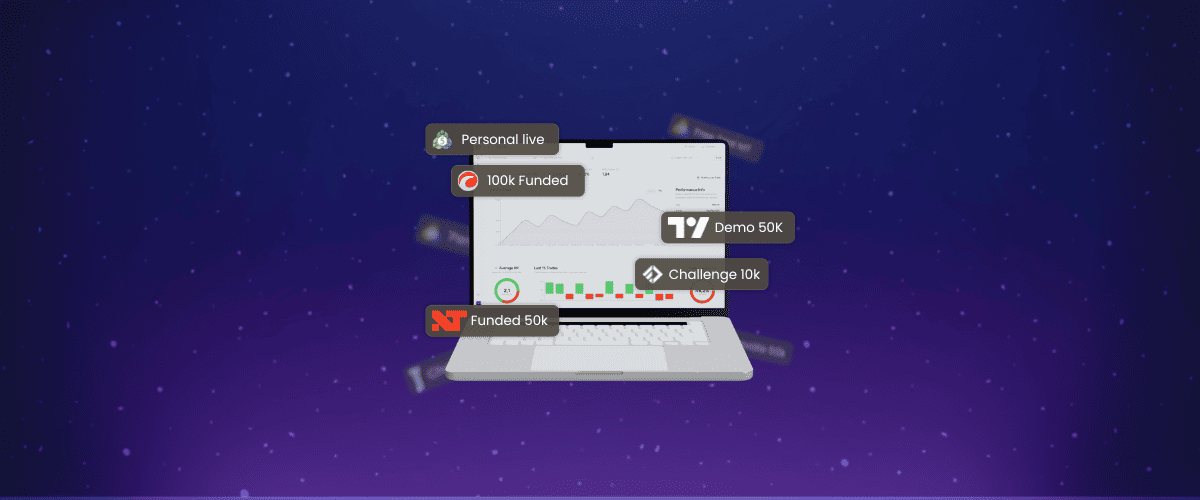
Importing trades saves time and reduces input errors, but it does not replace the review. TotalTrade brings trades, notes, tags, images and analytics together. The value comes from the routine you build around them, not from the amount of data you collect.