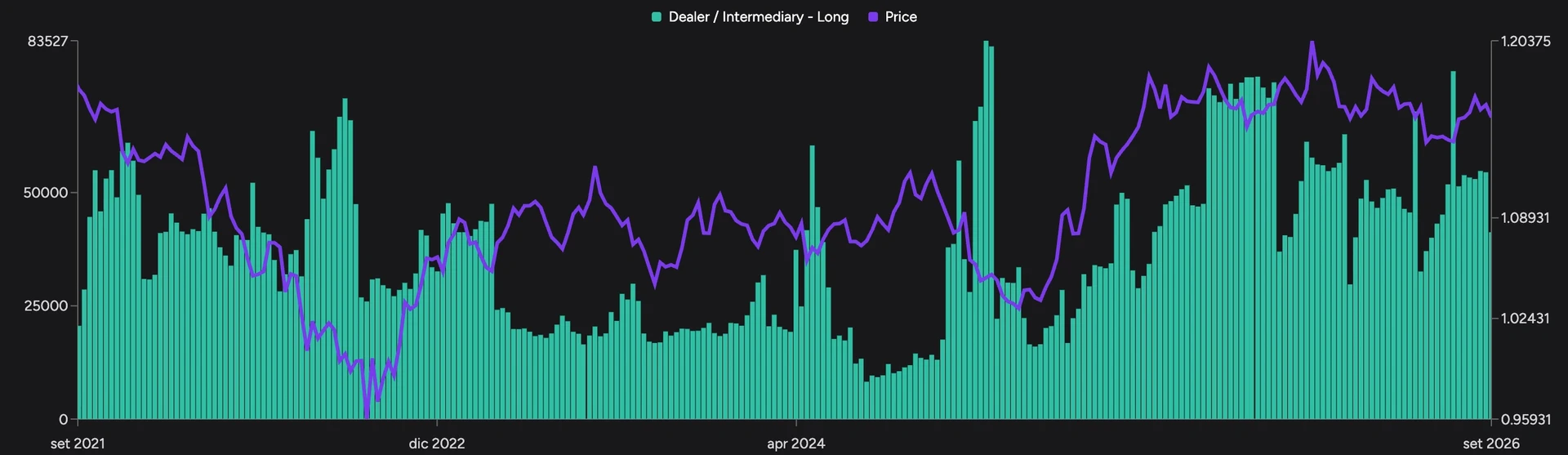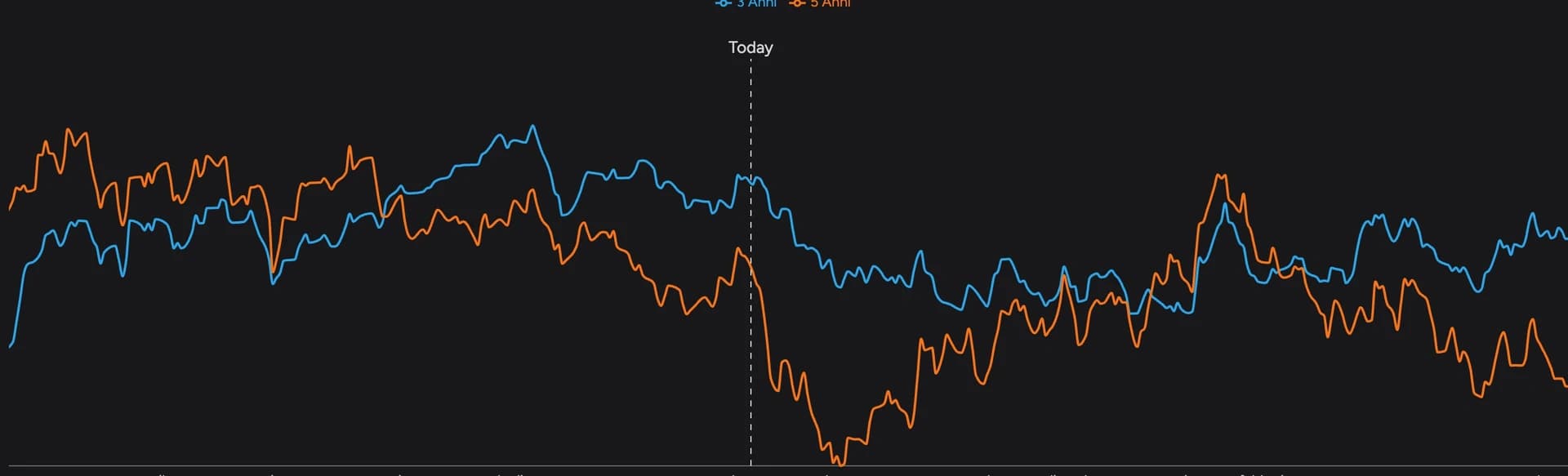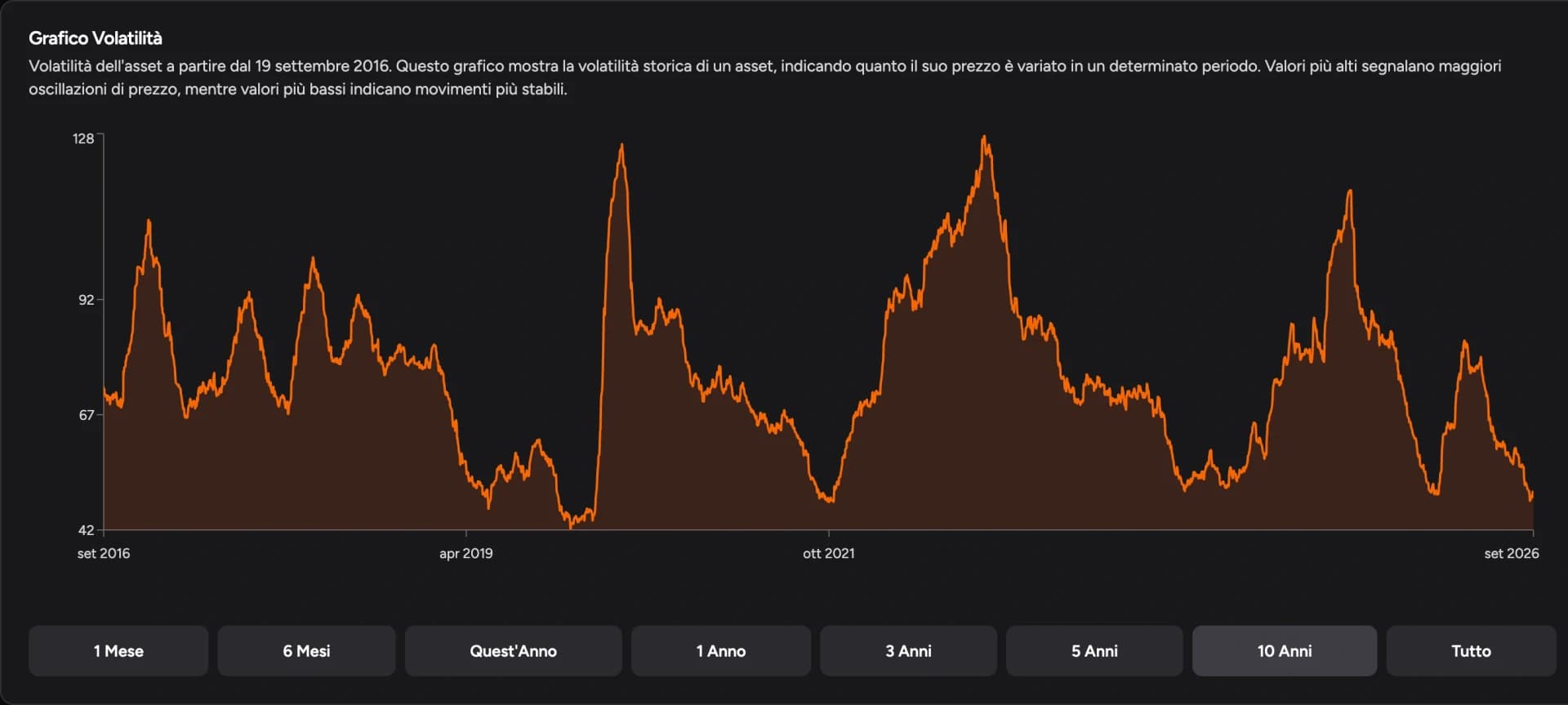
Forex trades almost 24 hours a day from Monday to Friday, but activity isn't spread evenly. It shifts with trading sessions, economic releases and the pair you're watching. Studying volatility by weekday and hour helps you choose when to trade and compare your stops and targets with the market's usual swings.
Trading session times
| Session | Typical hours (local time) |
|---|---|
| Asian (Tokyo) | about 9:00 am–6:00 pm Tokyo |
| European (London) | about 8:00 am–5:00 pm London |
| American (New York) | about 8:00 am–5:00 pm New York |
| London–New York overlap | roughly 8:00 am–12:00 pm New York |
These are conventions, not official hours. In March and late October to early November, Europe and the US change their clocks on different dates, so the overlap shifts by an hour for a few weeks. Your broker's chart may also run on a different time zone, so always check which hours the session you're studying corresponds to on your chart.
The London–New York overlap is a particularly active window for many major pairs, partly because a lot of US data is released then. The pair matters: currencies tied to Asia or the Pacific can have key moments while Europe and the US are asleep.
What volatility measures (and what it doesn't)
Volatility describes how much prices vary, but it's measured in different ways:
- candle range: the distance from high to low;
- ATR: an average of the True Range, which also accounts for gaps from the previous close;
- percentage measures: the dispersion of price changes.
Two panels labeled "volatility" can therefore show different numbers without either being wrong. Check the unit and period before comparing.
Above all, volatility isn't direction. A wide-range candle can close near its open: lots of movement, no trend. And a quieter window can still offer ideal structures for your setup.
Reading averages by hour and weekday
Hourly averages summarize the size of moves in the same time window across many days. If one window averages a 24-pip range and another 12 pips, the first had twice the average excursion. That doesn't mean 24 pips of profit were available in one direction; price may have covered that distance through reversals and pullbacks.
The same goes for weekdays. A day with higher readings should be read alongside the events in the period analyzed, and a recent average can differ a lot from one calculated over many months.
The next step is to compare these figures with your own results. A very active window might suit a breakout strategy and hurt one that trades small swings. Our guide to win rate, profit factor and drawdown shows how to read your results.
Volatility, stops and position size
- Stops. Your technical level may be right, but in a busier phase it can require a wider stop.
- Size. For a given instrument, risk depends on stop distance and position size. Double the stop at the same size and you double the potential loss. To risk the same amount, halve the size.
- Targets. A target far beyond recent excursions needs an unusually large move. The average is neither a ceiling nor a level to set your take profit at automatically.
- Execution. Around news, spreads and slippage can widen exactly when price speeds up. A bigger move doesn't necessarily make up for worse entry and exit prices.
Using DeepView and replay
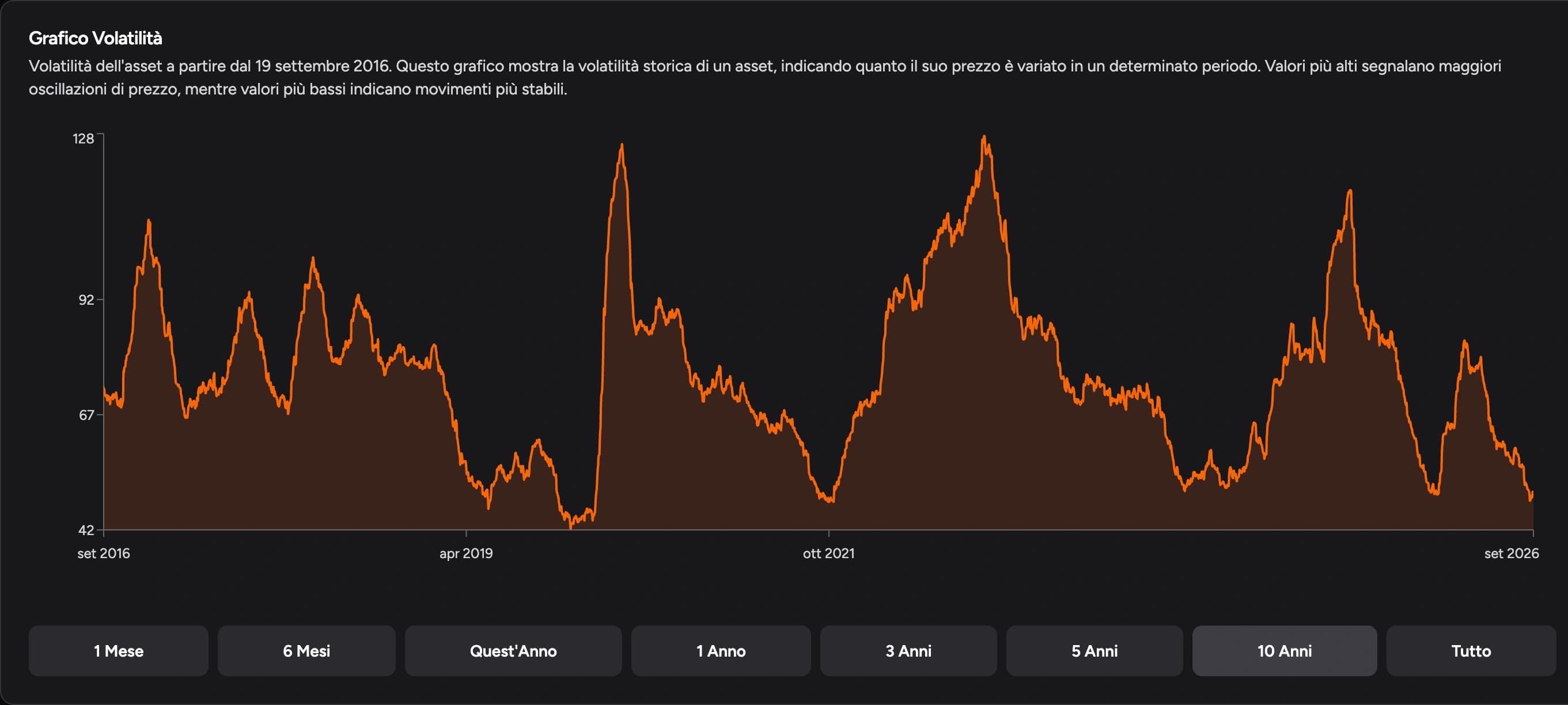
DeepView shows historical volatility and summaries by weekday and hour, so you can see when your market tends to move most. The step-by-step guide is in comparing days and hours with DeepView volatility.
In the Backtester you can then work those windows in replay and see how moves unfold, not just how large they end up. When comparing the times of your trades, group them by entry time; otherwise you'll credit the afternoon with a trade that started in the morning.
FAQ
What's the best time to trade forex?
There's no single best time. The London–New York overlap is often the most active for major pairs, but the right time is when your setup appears and performs best. Compare volatility with your results by entry time.
Why is today's volatility different from the average?
Averages describe the past. A major economic release, a holiday or a change in market regime can make any single day very different from the historical norm.
Is forex open on weekends?
No. The market opens on Sunday evening (European time) with the Asian session and closes on Friday evening at the end of the New York session.
For information and education only, not financial advice. Leveraged trading carries a high risk of loss.